Autumn Leaves in Hiroshima: Where and When to See Momiji
日本語版はこちら → 広島の紅葉ガイド(日本語)
Every November, the maple trees around Hiroshima turn deep red and orange, and the city gets a second high season. The good news: you don’t need to travel far to see it. Some of the best autumn colour is on Miyajima, in a garden ten minutes from the main station, and at a quiet mountain temple one short train ride away.
We’re Ao and Rieko, the hosts of Ao Base. In this guide we share where to see the leaves, when they usually peak, how to get there, and a few simple tips for avoiding the crowds.
When is autumn leaf season in Hiroshima?
In Hiroshima, the leaves usually start to change in early November and are at their best from mid-November to early December. The exact timing shifts a little every year depending on the weather, so it’s worth checking a foliage forecast a week or two before you go. Japanese weather sites such as Weathernews publish spot-by-spot forecasts every autumn.
For 2026, Weathernews forecasts peak colour on Miyajima from around November 19, and at Shukkeien Garden from around November 25 (forecast as of late October 2026).
| Spot | Usual peak | Entry | From Hiroshima Station |
|---|---|---|---|
| Momijidani Park (Miyajima) | Mid-Nov to early Dec | Free | About 45 min by JR + ferry |
| Shukkeien Garden | Mid to late Nov | ¥350 (adults) | About 15 min on foot |
| Mitaki-dera Temple | Mid-Nov to early Dec | — | JR Kabe Line to Mitaki, then about 20 min on foot |
Miyajima: Momijidani Park
Momijidani means “maple valley”, and the name says it all. This park sits just behind Itsukushima Shrine, along a small mountain stream, and it’s one of the most famous autumn spots in western Japan. Stone lanterns, a red bridge over the stream, and hundreds of maple trees make it beautiful even on a cloudy day.
The park is free to enter and is about a 5-minute walk from Itsukushima Shrine. It’s also the starting point for one of the hiking trails up Mt. Misen, so it’s easy to combine with a longer walk if you have the energy.
Getting to Miyajima
| Route | Time | Fare (one way) |
|---|---|---|
| JR Sanyo Line to Miyajimaguchi + ferry | About 45 min | ¥720 (JR ¥420 + ferry ¥200 + visitor tax ¥100) |
| Hiroden tram to Miyajimaguchi + ferry | About 80 min | ¥540 (tram ¥240 + ferry ¥200 + visitor tax ¥100) |
| High-speed boat from Peace Memorial Park | About 45 min | See the operator’s website |
Times and fares are from Hiroshima Station (the high-speed boat leaves from Peace Memorial Park). The fares above are for the trip to the island. The ¥100 Miyajima visitor tax is charged once per visit, on the way there. It is added automatically when you buy your ferry ticket or tap an IC card, so you don’t need to do anything extra. On the way back, the ferry is ¥200. Note that JR trains bound for Gokaichi do not stop at Miyajimaguchi, so check the destination before you board. (Fares as of October 2026.)
Staying at Skyview Base in Koi, you’re already on the west side of the city, on the way towards Miyajima.
Tips for Miyajima in autumn
- Go early. Momiji season is one of the busiest times of the year on the island, especially on weekends and holidays. Arriving in the morning makes a big difference.
- Wear comfortable shoes. The paths in the park are gentle, but if you continue towards Mt. Misen, the trail gets steep and rocky.
- If you plan to ride the Miyajima Ropeway up Mt. Misen, check its official website first. It sometimes closes for maintenance.
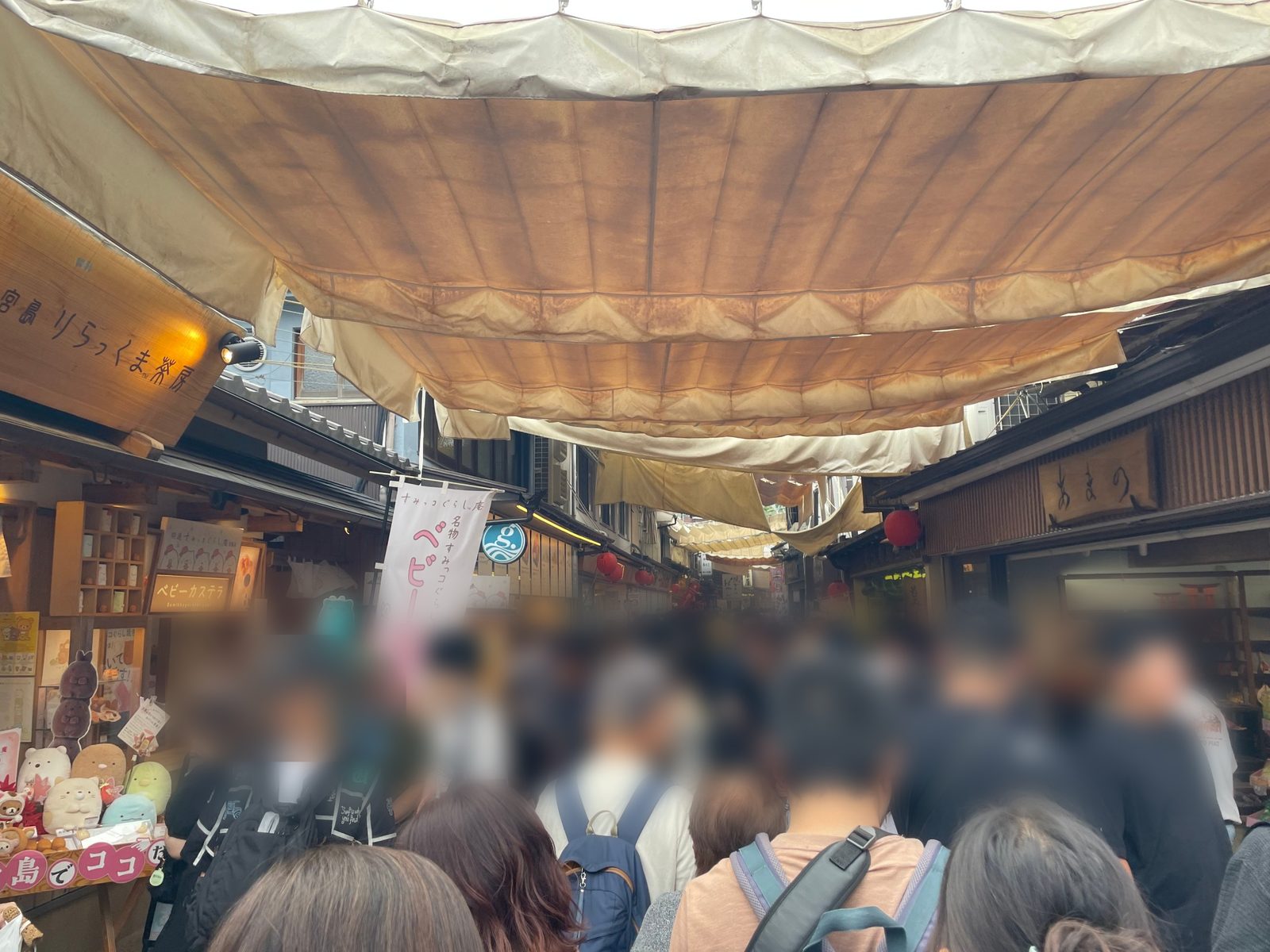
Our tip: If your dates are flexible, we recommend visiting Miyajima on a weekday. You can walk through Momijidani at your own pace and enjoy the leaves without the weekend crowds.
If you have more time: Mt. Misen
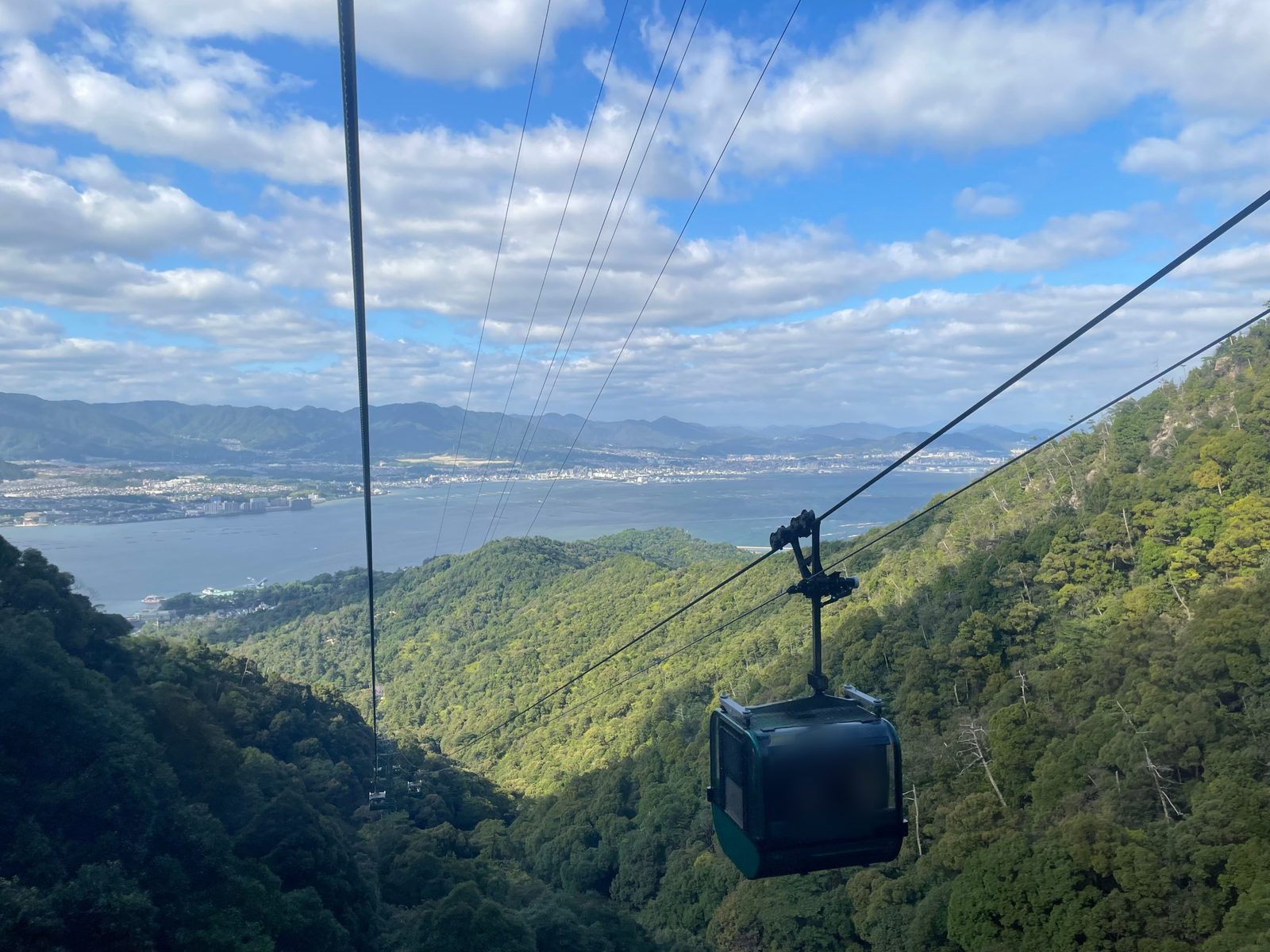
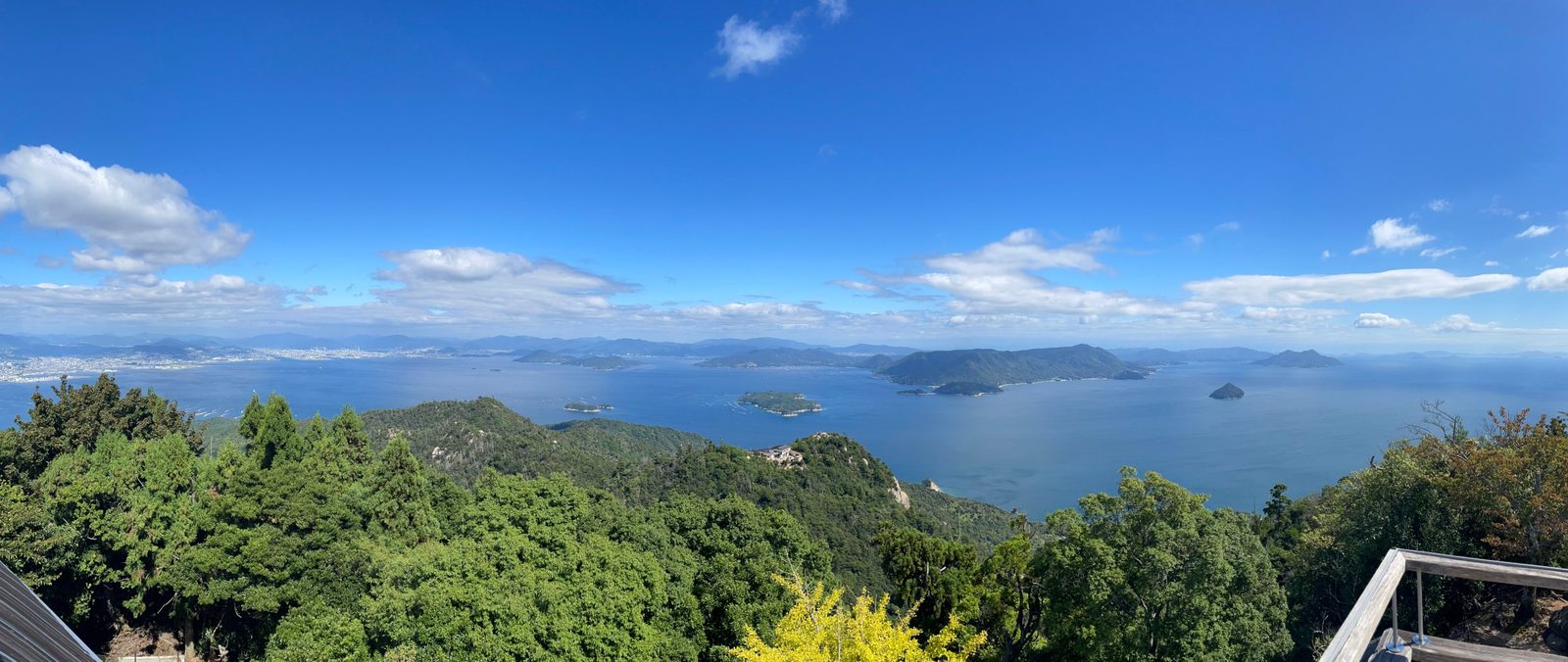
From the Momijidani area, the Miyajima Ropeway climbs Mt. Misen, the island’s highest mountain. On a clear day, the view over the Seto Inland Sea and its small islands is beautiful. As mentioned above, check the ropeway’s official website before you go, as it sometimes closes for maintenance.
Deer and momiji manju
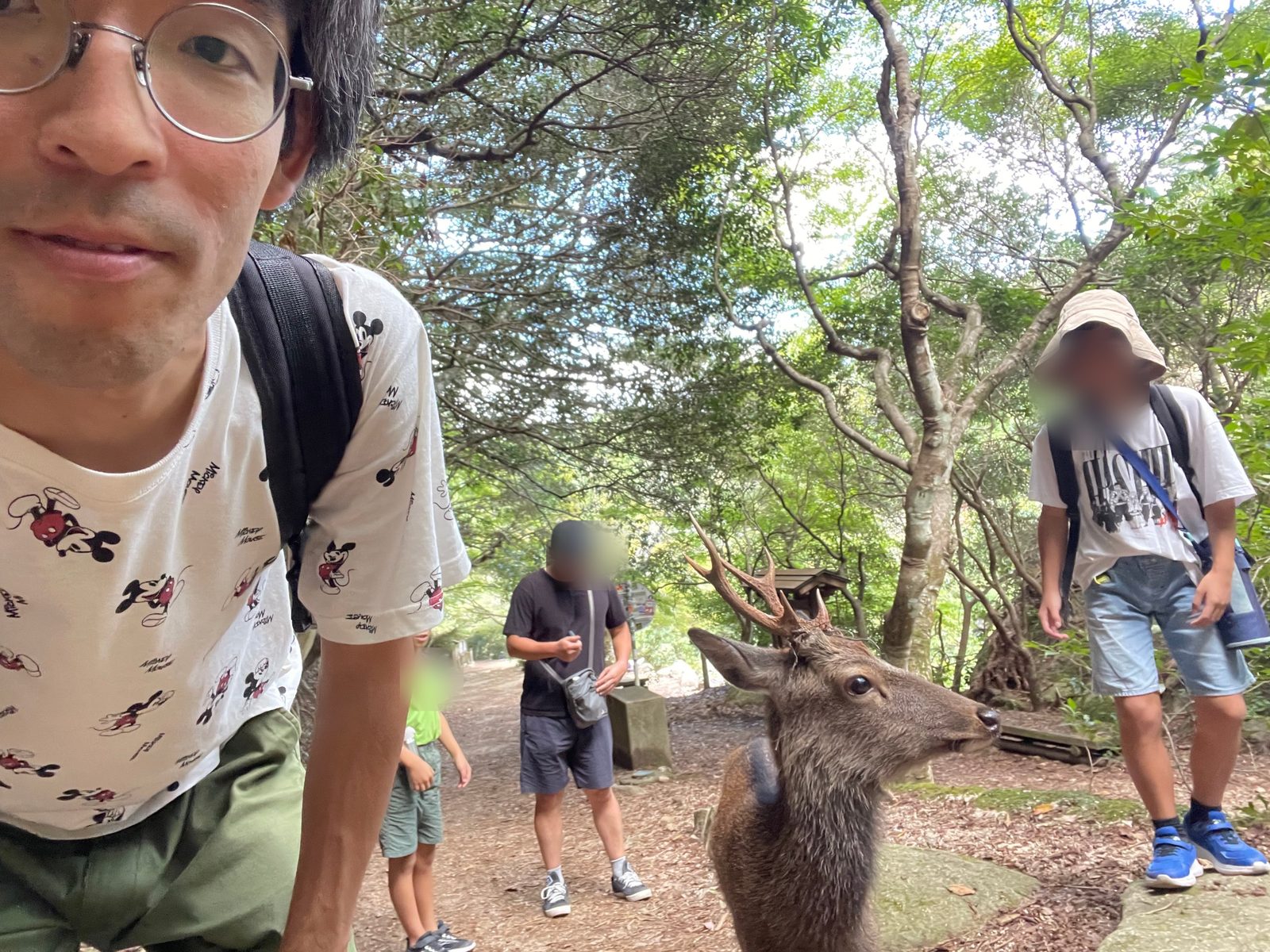
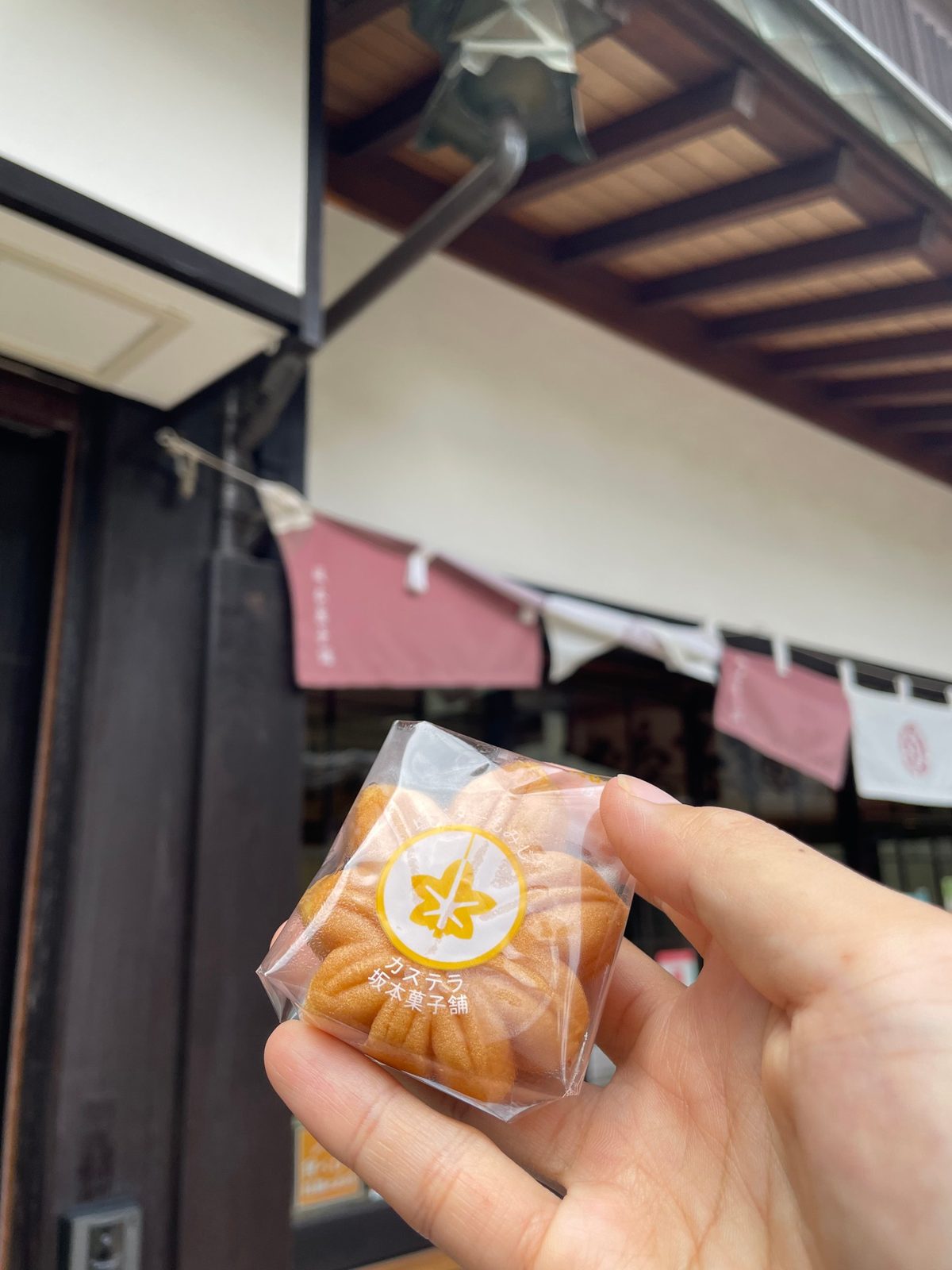
You’ll probably meet some of Miyajima’s deer while you walk around. They are wild animals, so please give them space and don’t feed them. And before you leave, try momiji manju, a small cake shaped like a maple leaf. It’s the island’s classic snack, and fitting for the season.
Shukkeien Garden: autumn in the city centre
If you only have a few hours, Shukkeien is the easiest place to see autumn colour in Hiroshima. This traditional Japanese garden was first built around 400 years ago. It’s laid out around a large pond with small islands, bridges and tea houses, and in November the maples around the water turn bright red.
It’s about a 15-minute walk from Hiroshima Station, so it fits easily into a day of sightseeing. Admission is ¥350 for adults, ¥150 for university students, and free for high school students and younger. From mid-September to mid-March, the garden is open from 9:00 a.m. to 5:00 p.m. (last entry 4:30 p.m.), and it is closed from December 29 to 31.
Evening light-up
Every year in late November, Shukkeien holds its Momiji Festival, when the garden stays open into the evening and the maples are lit up. In 2025 it ran from November 22 to December 1, with the lights on from around sunset until about 9 p.m. The 2026 dates had not been announced when we wrote this, so please check the official Shukkeien website before you go.
During light-up hours, you enter through the Hiroshima Prefectural Art Museum entrance, not the main gate. It can get busy on weekend evenings, so try a weekday if you can.
Mitaki-dera: a quiet mountain temple
If crowds aren’t your thing, Mitaki-dera is a lovely alternative. This temple sits on the wooded slopes of Mt. Mitaki, on the northwest side of the city. Moss-covered stone steps, small waterfalls and a two-storey red pagoda surrounded by maples make it feel far away from the city, even though it isn’t.
To get there, take the JR Kabe Line from Hiroshima Station to Mitaki Station, then walk about 20 minutes uphill. The last part of the walk is on stone steps, so good shoes help. We couldn’t find official visiting hours online, so we suggest going in daylight and allowing time for the walk back down.
A simple autumn day plan
Here’s one way to see two spots in a day without rushing.
| Time | Plan |
|---|---|
| Morning | Train and ferry to Miyajima. Walk through Momijidani Park before the crowds arrive. |
| Lunch | Eat on Miyajima, then head back to the mainland. |
| Afternoon | Rest, or visit Mitaki-dera for a quieter walk. |
| Evening | If the light-up is on, see Shukkeien Garden after dark. |
If you’re in Hiroshima for several days, it’s worth saving Miyajima for a weekday.
Which spot is right for you?
All three are beautiful, but they feel quite different. Here’s a quick way to choose.
- Short on time: Shukkeien. You can walk there from Hiroshima Station, see the garden in an hour or two, and still have the rest of the day for the Peace Memorial Park or other sights.
- The classic view: Momijidani Park on Miyajima. It’s a half-day or full-day trip, but you get the leaves, the island and Itsukushima Shrine all together.
- Peace and quiet: Mitaki-dera. It takes a bit of walking, but it’s the place to slow down, listen to the water and enjoy the colours without a crowd.
- Travelling with small children or older family members: Shukkeien has flat, easy paths. Mitaki-dera and the Mt. Misen trails involve stone steps and slopes.
Taking photos of autumn leaves
A few simple things help your photos come out better, whether you use a phone or a camera.
- Shoot with the light behind the leaves. When the sun shines through red maples, the colours glow.
- Look for reflections. The pond at Shukkeien and the stream at Momijidani are good places to catch leaves reflected in the water.
- Don’t forget the ground. Fallen leaves on stone steps or moss can be just as pretty as the trees, especially near the end of the season.
- Be kind to other visitors. Paths can be narrow, so step aside when taking photos, and please don’t climb on stones or walls in temple grounds.
Practical tips for leaf-peeping
- Check a foliage forecast before you go. Peak colour can move by a week or more from year to year.
- Bring layers. Mornings and evenings get cooler from November, and temples and gardens can feel colder than the city streets.
- Plan for crowds on weekends and holidays, especially on Miyajima and at evening light-ups.
- Carry some cash for small entry fees or donations.
Where to stay for autumn in Hiroshima
Ao’s Retreat Base is a whole traditional house in Ushita, a quiet residential area, and it’s about 13 minutes by JR to Hiroshima Station plus a 6-minute walk, which makes it easy to come back and rest between outings. Ao’s Skyview Base in Koi has a living room with views over the city and the morning sun, and Hiroshima Station is about 13 minutes away by JR.
From us: Autumn is also a lovely time to explore Ushita and Koi, the neighbourhoods around our two houses. Between sightseeing trips, we hope you’ll take a slow walk and enjoy the season close to home, too.
We hope you catch the leaves at their best. If you have questions about autumn in Hiroshima, feel free to ask us. You can also follow us on Instagram at @AOBASE2026.